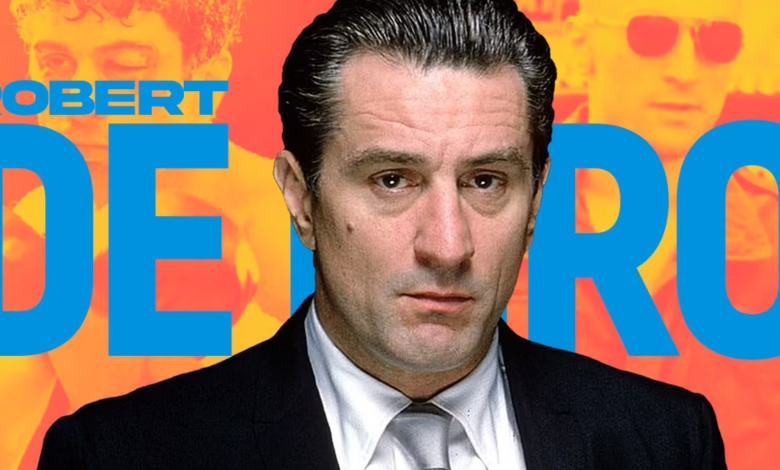
Few actors have shaped modern cinema as profoundly as Robert De Niro. His name stands für intensity, authenticity, and an unwavering dedication to the craft of acting. From gritty crime dramas to quiet character studies, his career spans decades of unforgettable performances. Audiences across generations recognize his ability to dissolve into a role, revealing human complexity in ways that feel both raw and timeless. His influence extends beyond the screen, touching filmmaking, culture, and the very expectations audiences bring to dramatic storytelling.


De Niro’s rise to prominence was neither sudden nor accidental. It was the result of discipline, artistic curiosity, and an almost restless search for emotional truth in the characters he portrayed. This commitment earned him a place among the greatest performers of all time, and it continues to inspire emerging actors who look to his work as a benchmark for cinematic excellence.
The Evolution of a Legend: Understanding Robert De Niro
Every era in film history contains artists who redefine the medium, and Robert De Niro is one of those rare figures. His collaborations with groundbreaking directors, especially Martin Scorsese, produced some of the most iconic films ever made. These partnerships were built on trust, artistic risk, and a shared understanding of storytelling that would set new standards in performance.
De Niro’s approach to acting is famously immersive. He prepared for roles with a methodical intensity, sometimes altering his physical appearance or spending months adopting the habits of the characters he would portray. This depth of preparation created performances that felt lived-in and unavoidable to the audience. His characters are rarely passive; they pull the viewer into their world and challenge them to understand complicated emotions and motivations.
Crafting a New Standard in Acting
Throughout his career, De Niro shaped expectations of what a dramatic performance could be. His portrayals were defined by nuance and layered emotion rather than theatricality. Even in films where he played larger-than-life figures, his subtle expressions, silences, and small gestures revealed entire internal landscapes.
The range of his roles demonstrates why De Niro became such a towering presence. Though often associated with crime dramas, he also excelled in roles requiring vulnerability, humor, or introspection. His versatility expanded the possibilities for every actor who followed, proving that the strongest performances come from emotional truth rather than simple intensity.
Building Characters Through Detail
One of the hallmarks of De Niro’s performances is his ability to capture the smallest details. Whether depicting a troubled loner, a conflicted family man, or a character caught between ambition and morality, he approached each role with the same meticulous curiosity. Audiences could sense this care, and it deepened the trust they placed in him throughout his career.
His dedication to authenticity made his work resonate with viewers around the world. Characters he portrayed didn’t merely exist on screen; they felt as though they lived beyond the film’s frame. This ability kept him at the forefront of cinema for decades and cemented his legacy as a performer who understood people in all their flawed brilliance.
The Many Faces of a Career Defined by Depth
A defining quality of Robert De Niro is his emotional range. He captured the explosive energy of characters struggling with power and identity, but he also revealed their quiet fears and insecurities. This balance created portrayals that were never one-dimensional.
In dramatic roles, De Niro displayed a level of emotional risk-taking that allowed audiences to see the raw threads of a character’s humanity. In comedic roles, he exposed another dimension of his talent — a natural timing and sense of irony that proved he could excel in any genre. Though his early career is often celebrated for its intensity, his later comedic turns expanded his legacy and introduced him to new generations of fans.
A Commitment to Storytelling
Throughout his work, De Niro consistently demonstrated a deep respect for storytelling. He chose roles that were meaningful, challenging, or culturally significant. Even in smaller parts, he brought the same disciplined focus that marked his earliest performances. This commitment elevated not only the films he appeared in but also the conversations surrounding cinema itself.
His choices reflected a love of film as an art form. Rather than relying on fame or attempting to maintain a single persona, he allowed his career to evolve naturally. Each new role added another layer to a body of work that spans more than half a century.
The Cultural Impact of a Global Icon
It is impossible to discuss modern cinema without acknowledging the cultural footprint of Robert De Niro. His performances shaped audience expectations, influenced acting techniques, and inspired countless artists. He became an emblem of authenticity and a symbol of what it means to fully inhabit a role.
Beyond acting, he invested in the growth of artistic communities, supported young filmmakers, and helped build creative spaces that continue to shape the industry today. His contributions reflect a belief that storytelling can influence society, open conversations, and inspire empathy.
Why De Niro’s Legacy Endures
His legacy is built not only on memorable performances but on the emotional honesty he brought to every character. His ability to balance sensitivity with power, humor with gravity, and vulnerability with confidence created portrayals that resonate across cultures and generations.
Viewers return to his work not merely for nostalgia but because his performances reveal something about human experience that feels universal. Whether depicting a character in crisis or someone searching for connection, De Niro captured the fragile balance between strength and uncertainty that defines much of life.
The Future of a Timeless Performer
Even after decades in the spotlight, Robert De Niro remains a force in the film industry. He continues to act, collaborate with prominent directors, and support emerging talent. His longevity is a testament to his passion for storytelling and his refusal to rely on past achievements. Instead, he seeks roles that challenge him, deepen his craft, and offer something meaningful to audiences.
As the film landscape evolves, De Niro’s influence remains a guiding presence. His performances continue to be studied in acting schools, discussed by filmmakers, and celebrated by viewers who appreciate the depth and honesty he brings to the screen.
A Career That Continues to Inspire
Younger actors often cite De Niro as a foundational influence. They study his commitment, his transformative preparation, and his ability to capture emotion with remarkable subtlety. These qualities ensure that his legacy will continue through the artists he inspires.
His work encourages performers to approach their craft with sincerity, discipline, and curiosity. It also reminds audiences of how powerful storytelling can be when it is grounded in genuine human experience.
Conclusion
The career of Robert De Niro stands as a testament to the enduring power of authentic storytelling. His ability to inhabit characters with depth and humanity reshaped cinematic performance and influenced generations of actors. Each role expanded the emotional possibilities of film, inviting viewers to connect with stories on a deeper level.
His legacy endures because it was built on more than fame; it was built on craft, dedication, and a profound understanding of what makes characters meaningful. As audiences continue to discover and rediscover his work, his impact remains a vibrant part of film history.
Robert De Niro will always be remembered as a performer who elevated every scene, challenged expectations, and revealed the profound beauty of authentic human emotion.