Robert kiyosaki: The Entrepreneur Who Changed the Way People Think About Money

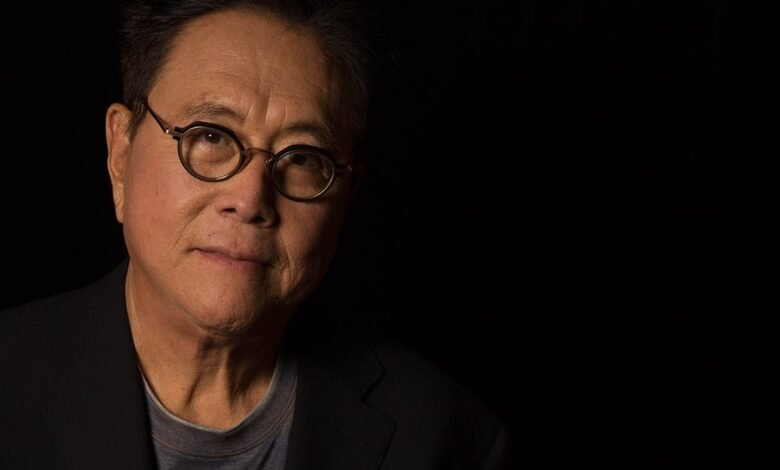
The modern conversation around money, investing, and financial independence has been deeply influenced by a handful of bold thinkers. Among them, robert kiyosaki stands out as a figure who reshaped how ordinary people approach wealth and financial education. Through books, lectures, and business ventures, he challenged traditional beliefs about work, income, and security.
For decades, many people believed that the safest path in life was simple: get a good education, find a stable job, work hard, and save money. This formula dominated financial advice for generations. Yet the global economy, technological change, and evolving job markets have made that approach less reliable. The ideas introduced by robert kiyosaki offered a different perspective, encouraging people to think like investors and entrepreneurs rather than just employees.


His teachings gained worldwide attention through a powerful mix of storytelling, practical lessons, and unconventional thinking. Instead of focusing only on saving money, he emphasized building assets, understanding cash flow, and developing financial intelligence. These ideas have inspired millions of readers to reconsider their relationship with money and to explore new ways of creating financial security.
While not everyone agrees with every aspect of his philosophy, his impact on personal finance education is undeniable. His work sparked conversations about financial literacy in households, classrooms, and boardrooms around the world.
Lessons from Robert kiyosaki on Building Financial Freedom
One of the most influential contributions made by this financial educator is the concept that financial education is often missing from traditional schooling. Schools teach mathematics, science, and history, but rarely explain how money actually works in everyday life.
According to robert kiyosaki, understanding financial principles is just as important as any academic subject. Without this knowledge, people may spend decades working without truly building wealth.
His teachings revolve around several core ideas that challenge common assumptions about money.
The Difference Between Assets and Liabilities
A central concept in his philosophy is the distinction between assets and liabilities. Many people assume they understand these terms, but the explanation offered in his teachings simplifies the idea in a powerful way.
An asset is something that puts money into your pocket. A liability is something that takes money out of your pocket.
This definition forces people to look beyond traditional labels. For example, many individuals consider their home to be their greatest asset. Yet if the property requires ongoing mortgage payments, taxes, and maintenance without producing income, it may function more like a liability.
By focusing on acquiring income-producing assets such as rental properties, businesses, or investments, individuals can create cash flow that grows over time.
The Cash Flow Quadrant
Another well-known framework introduced by the author divides income earners into four categories:
- Employees
- Self-employed individuals
- Business owners
- Investors
Employees trade time for money and rely on salaries. Self-employed professionals work for themselves but still depend heavily on their own labor.
Business owners build systems that generate income even when they are not personally working. Investors earn money by putting capital into opportunities that grow over time.
The philosophy encourages individuals to gradually move toward the business owner and investor side of the quadrant. This shift allows income to become less dependent on personal labor and more connected to systems and investments.
Financial Intelligence
Financial intelligence is another recurring theme in his teachings. This concept refers to the ability to understand financial statements, recognize opportunities, manage risk, and make informed investment decisions.
Many people work hard and earn respectable incomes but struggle financially because they lack financial literacy. Learning how money flows through businesses and investments can change that situation dramatically.
Developing financial intelligence requires continuous learning. It involves reading, observing markets, asking questions, and gaining experience through both success and failure.
The Role of Risk and Education
One controversial element of his philosophy is the idea that avoiding risk entirely can actually be risky. Many people choose safety over opportunity, keeping money in low-return savings accounts or relying solely on a paycheck.
His teachings suggest that calculated risk, combined with education, can lead to greater long-term stability. Instead of fearing investment opportunities, individuals are encouraged to study them carefully and learn how to manage potential losses.
The key message is not reckless speculation, but informed decision-making supported by knowledge.
Early Life and Influences
The journey that eventually shaped this financial philosophy began during childhood. Growing up in Hawaii, he was exposed to two contrasting views about money and success.
One influence came from his highly educated father, who believed strongly in academic achievement and professional stability. The other influence came from the father of a close friend, an entrepreneur who believed in building businesses and investing.
These two perspectives created what later became the foundation of his financial teachings. One represented the traditional path of education and employment, while the other demonstrated the power of entrepreneurship and investment.
Observing these differences helped shape the financial lessons that later appeared in his books and seminars.
The Breakthrough of Financial Storytelling
The global rise of his ideas began with a book that presented financial education through storytelling rather than technical language. Instead of complex investment jargon, readers encountered simple explanations and relatable experiences.
This approach made financial concepts accessible to people who previously felt intimidated by the subject. Rather than presenting abstract theories, the stories illustrated how everyday decisions about money could shape long-term outcomes.
The narrative style also helped readers reflect on their own financial habits. Many recognized themselves in the situations described in the book and began reconsidering their approach to work, savings, and investment.
Entrepreneurship and Business Ventures
Beyond writing and speaking, he has also been involved in a range of business activities. These ventures reflect his belief that entrepreneurship can provide valuable real-world education about money and markets.
Starting businesses often involves uncertainty, risk, and problem solving. These experiences can teach lessons that are difficult to learn in traditional classrooms.
Entrepreneurial ventures also highlight another important idea: building systems that create income. Instead of relying solely on personal labor, successful businesses operate through teams, processes, and scalable models.
Such systems allow income to continue even when the owner is not actively working every hour of the day.
Real Estate as a Wealth-Building Tool
Real estate frequently appears in discussions about his investment philosophy. Property investments can generate rental income while also appreciating in value over time.
For many investors, real estate offers a combination of cash flow and long-term growth. Properties can also provide tax advantages and leverage opportunities that amplify returns.
However, successful real estate investing requires careful research, financial planning, and market awareness. Properties must be chosen wisely to ensure that income exceeds expenses.
This emphasis on analysis reinforces the broader lesson that financial success depends on knowledge and preparation rather than luck.
Criticism and Debate
No influential thinker escapes criticism, and this financial educator is no exception. Some critics argue that certain ideas may oversimplify complex economic realities.
Others point out that not everyone has equal access to capital, opportunities, or financial education. These challenges can make entrepreneurship and investing more difficult for some individuals.
Despite these debates, the broader conversation sparked by his work has encouraged many people to learn more about personal finance. Even critics often acknowledge that increasing financial literacy is a valuable goal.
The Global Impact of Financial Education
Over the years, seminars, books, and training programs inspired by his teachings have reached audiences in dozens of countries. Readers from different economic backgrounds have found value in learning how money moves and how investments generate income.
The widespread appeal of these ideas reflects a universal desire for financial independence. People everywhere want greater control over their time, careers, and economic futures.
Understanding money can help individuals make decisions that support those goals.
Financial education also empowers people to teach the next generation. Parents who understand investing and cash flow can pass these lessons on to their children, creating a ripple effect that lasts for decades.
The Importance of Mindset
Another major theme within these teachings is mindset. Financial success is not only about numbers, spreadsheets, or investment strategies. It also depends on attitudes toward risk, learning, and opportunity.
Many people grow up believing that wealth is reserved for a small group of fortunate individuals. Changing that belief can open the door to new possibilities.
Adopting a mindset focused on growth, curiosity, and persistence can encourage individuals to explore opportunities they previously ignored.
The idea is simple but powerful: financial habits often begin with financial beliefs.
Lessons for the Modern Economy
Today’s economic landscape looks very different from the world that existed several decades ago. Technology, automation, and global competition have transformed the nature of work.
Traditional lifetime employment has become less common, and many people now pursue freelance careers, startups, or remote work. These changes make financial literacy even more important.
Understanding investments, taxes, and cash flow can help individuals navigate an unpredictable job market. Multiple income streams, diversified investments, and entrepreneurial thinking can provide stability in uncertain times.
These principles remain relevant as economies continue to evolve.
Conclusion
The ideas introduced by robert kiyosaki continue to shape conversations about money, education, and personal responsibility. By challenging traditional assumptions and encouraging people to think beyond the paycheck, he opened a new chapter in financial education.
His message centers on learning how money works rather than simply earning it. Building assets, understanding cash flow, and developing financial intelligence can transform the way individuals approach their economic lives.
Whether readers fully embrace every idea or simply adopt a few lessons, the broader impact remains clear. Financial literacy empowers people to make informed decisions, pursue opportunities, and build greater independence.
In a world where economic uncertainty is common, the conversation started by robert kiyosaki reminds us that knowledge, mindset, and action are powerful tools for shaping our financial future.