SFM Compile: Understanding the Process Behind Smooth Source Filmmaker Projects

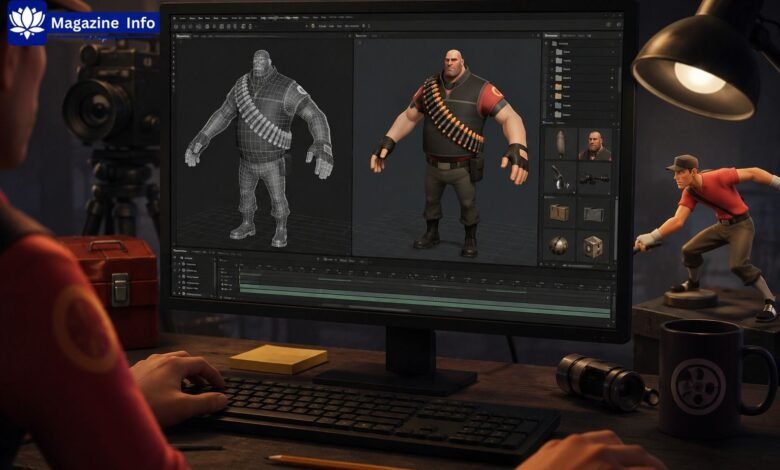
If you’ve ever spent hours building a scene in Source Filmmaker only to hit the dreaded compile stage and suddenly feel lost, you’re definitely not alone. Honestly, almost every SFM creator goes through that moment. Everything looks perfect inside the editor, the lighting feels cinematic, the animation finally behaves… and then compilation issues show up out of nowhere.
That’s where understanding SFM compile becomes incredibly important.


For beginners, the word “compile” can sound overly technical, almost intimidating. But in reality, it’s simply part of the process that turns creative work into something usable, polished, and ready for rendering or gameplay environments. Once you understand the basics, it starts feeling much less mysterious.
The interesting thing about SFM culture is how creative and technical it can be at the same time. One minute you’re posing characters dramatically, and the next you’re troubleshooting models, textures, or lighting errors. It’s chaotic sometimes, but honestly, that’s part of the charm.
In this article, we’ll break down what SFM compile actually means, how it works, why it matters, common mistakes users make, and practical ways to improve your workflow. Whether you’re completely new to Source Filmmaker or already experimenting with advanced scenes, understanding compilation can seriously improve your projects.
Understanding SFM Compile
At its core, SFM compile refers to the process of converting assets, maps, animations, or project elements into formats that Source Filmmaker and the Source engine can properly read and use.
In simpler terms, compilation is like translating creative files into a language the engine understands.
Without compiling, many custom assets simply wouldn’t function correctly inside SFM.
Why Compilation Exists
Source Filmmaker is built on Valve’s Source engine technology, and that engine relies heavily on optimized file structures.
Raw files from modeling or animation software usually aren’t ready for direct use. They need processing first.
That processing includes:
- Converting models
- Building map geometry
- Generating lighting information
- Optimizing textures
- Packaging animation data
It sounds technical because, well… it kind of is. But once you work with it a few times, the logic becomes clearer.
The Difference Between Creating and Compiling
This confuses many beginners.
Creating refers to:
- Modeling
- Animating
- Texturing
- Scene setup
Compiling refers to:
- Processing those assets
- Converting them into engine-friendly formats
- Preparing them for rendering or interaction
Think of it like cooking. Designing ingredients is one step; actually baking the meal is another.
How SFM Compile Works
The compilation process varies depending on what exactly you’re compiling.
Model Compilation
Custom models often begin in external 3D software like Blender.
To work in Source Filmmaker, they usually need:
- Mesh conversion
- Rigging compatibility
- Texture processing
- Export formatting
These files are then compiled into formats recognized by the Source engine.
Map Compilation
Map compilation is one of the most well-known parts of Source engine workflows.
This process involves converting raw level geometry into playable or renderable environments.
BSP Compilation
The Source engine commonly compiles maps into BSP files.
During this process:
- Geometry is processed
- Lighting data is generated
- Visibility calculations are performed
- Optimization systems activate
This stage can sometimes take a while, especially for larger projects.
Lighting Compilation
Lighting matters a lot in SFM.
Honestly, great lighting can completely transform an average scene into something cinematic.
Compilation processes handle:
- Shadow calculations
- Light bounce effects
- Surface illumination
- Rendering optimization
Poor lighting compilation often leads to strange shadows or visual glitches.
Texture Processing
Textures also require proper formatting before the engine can use them efficiently.
Improper textures may cause:
- Missing materials
- Purple checkerboards
- Rendering problems
- Performance drops
And yes, almost every SFM creator eventually encounters the infamous missing texture issue.
Why SFM Compile Matters
At first glance, compiling may seem like a purely technical step, but it actually affects the entire quality of a project.
Better Performance
Proper compilation helps projects run smoother.
Without optimization:
- Scenes may lag
- Rendering times increase
- Crashes become more common
- Performance becomes unstable
Efficient compilation improves overall workflow significantly.
Improved Visual Quality
Compilation directly impacts:
- Lighting realism
- Texture clarity
- Model behavior
- Rendering consistency
Many cinematic-looking SFM projects owe their polish partly to careful compile settings.
Compatibility Across Assets
SFM projects often combine assets from different sources.
Compilation ensures those assets:
- Work together properly
- Follow engine requirements
- Avoid conflicts
- Load correctly
That compatibility becomes extremely important in larger productions.
Reducing Errors
A well-compiled project usually experiences fewer technical problems later.
And honestly, fewer technical headaches means more time actually creating.
Practical Uses of SFM Compile
The compilation process appears in many different types of Source Filmmaker projects.
Animation Projects
Creators producing:
- Short films
- Comedy skits
- Cinematics
- Fan animations
…all rely on properly compiled assets and environments.
Game Environment Creation
Many users create custom maps or environments inspired by games.
Map compilation allows:
- Interactive scenes
- Custom backgrounds
- Lighting control
- Environmental storytelling
Character Customization
Custom characters often require:
- Model compiling
- Texture adjustments
- Rigging compatibility
- Animation support
Without compilation, those characters may not function correctly inside SFM.
Rendering High-Quality Scenes
Some SFM artists focus heavily on poster art or cinematic renders.
Proper compile settings help achieve:
- Cleaner lighting
- Better reflections
- More realistic environments
- Improved shadows
It’s honestly surprising how much technical optimization affects artistic quality.
Tips and Best Practices for SFM Compile
Learning good habits early saves a lot of frustration later.
Keep File Structures Organized
Messy project folders create endless confusion.
Try organizing:
- Models
- Materials
- Maps
- Animation files
- Export folders
A clean structure makes troubleshooting much easier.
Test Frequently
One common beginner mistake is waiting too long before testing compilation.
Instead:
- Test small changes early
- Compile incrementally
- Catch problems quickly
This prevents giant troubleshooting sessions later.
Optimize Before Compiling
Large unoptimized assets can slow everything down.
Reduce unnecessary:
- Polygon counts
- Oversized textures
- Duplicate assets
- Complex lighting setups
Efficiency matters more than many newcomers realize.
Learn Error Messages
At first, compile errors look terrifying.
But over time, understanding common messages becomes extremely helpful.
Many errors relate to:
- Missing files
- Incorrect paths
- Broken textures
- Invalid geometry
The more familiar you become with these warnings, the easier troubleshooting gets.
Save Backup Versions
This one is incredibly important.
Always keep backup project files before major compile changes.
Because yes — sometimes things break unexpectedly.
Common Mistakes and Misconceptions
Even experienced creators occasionally make avoidable mistakes.
Thinking Compilation Is Optional
Some beginners assume SFM compile processes are unnecessary.
In reality, compilation is essential for many custom assets and environments.
Ignoring Optimization
A visually impressive scene can still perform terribly if poorly optimized.
More detail doesn’t always equal better quality.
Using Incorrect File Paths
Broken file paths cause countless SFM problems.
This often results in:
- Missing textures
- Invisible models
- Compilation failures
Path management becomes increasingly important in larger projects.
Overcomplicating Lighting
New users sometimes add too many lights trying to improve realism.
Ironically, simpler lighting setups often look better and compile faster.
Expecting Perfect Results Immediately
SFM has a learning curve. Compilation issues are normal, especially early on.
Most experienced creators learned through experimentation, frustration, and plenty of trial and error.
Interesting Facts About SFM Compile
1. Source Filmmaker Uses Older Engine Technology
Despite its age, the Source engine still powers surprisingly creative projects.
2. Compilation Heavily Affects Render Quality
Small compile adjustments can dramatically improve final visuals.
3. Many SFM Creators Learn Technical Skills Accidentally
People often begin with animation interests and gradually learn mapping, lighting, and optimization.
4. Lighting Is One of the Hardest Skills to Master
Even experienced users continue refining lighting techniques constantly.
5. Community Tutorials Play a Huge Role
The SFM community has helped thousands of beginners understand compiling processes.
6. Optimization Matters More Than Raw Hardware
Efficient scenes often perform better than overly complex projects on powerful systems.
7. SFM Remains Popular Despite Its Age
Years later, creators still use Source Filmmaker because of its flexibility and creative potential.
FAQs
What does SFM compile mean?
SFM compile refers to the process of converting assets, maps, models, or project data into formats compatible with Source Filmmaker and the Source engine.
Why is SFM compile important?
Compilation helps optimize assets, improve performance, reduce errors, and ensure projects function correctly inside SFM.
What causes SFM compile errors?
Common causes include missing files, incorrect paths, broken textures, invalid geometry, or incompatible asset formats.
Can beginners learn SFM compile easily?
Yes, although it may feel confusing at first. With practice and experimentation, most users gradually become comfortable with the process.
Does better compilation improve visual quality?
Absolutely. Proper compile settings can improve lighting, shadows, rendering stability, and overall scene performance.
Conclusion
Understanding SFM compile is one of those things that completely changes how you approach Source Filmmaker projects. At first, it may seem overly technical or even frustrating, especially when errors start appearing unexpectedly. But once the process begins making sense, everything becomes more manageable.
What’s interesting about SFM is how it blends creativity with problem-solving. One moment you’re building cinematic scenes, and the next you’re learning about lighting optimization, file structures, or texture processing. Strange as it sounds, that mix is part of what keeps the community passionate after all these years.
Compilation isn’t just a technical requirement — it’s a foundation for smoother workflows, cleaner visuals, and better project stability. The more comfortable you become with it, the more freedom you gain creatively.
And honestly, every experienced SFM creator started exactly where beginners are now: confused, experimenting, troubleshooting, and slowly figuring things out one compile at a time.