Employers increasingly rely on efficient, reliable screening tools to maintain safe, productive workplaces. Drug test cups for fast, accurate workplace screening combine convenience with scientific rigor: they simplify specimen collection, deliver rapid immunoassay results on-site, and, when paired with confirmatory laboratory testing, support defensible hiring and disciplinary decisions. This article explains how cup-based screening works, compares available types, outlines selection criteria and best practices, and highlights legal and privacy considerations employers should weigh when implementing or upgrading a cup-based program.
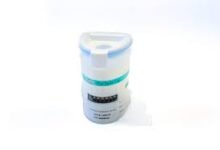

Why Use Drug Test Cups In The Workplace
Drug testing remains a cornerstone of many workplace safety programs, especially in industries where impairment risks have direct safety or compliance implications. Drug test cups offer several operational advantages that make them a pragmatic choice for businesses of all sizes:
- Speed and convenience: Cups designed for point-of-care immunoassay screening typically produce results in minutes. That short turnaround supports fast hiring decisions and immediate response to safety incidents.
- Simplified collection: Integrated funnels, temperature strips, and preservatives reduce procedural complexity and the need for separate consumables, lowering administration time and errors.
- Cost-effectiveness: Compared with laboratory-only workflows, screening with cups reduces per-screen costs by limiting the number of specimens sent for expensive confirmatory testing.
- Chain-of-custody readiness: Many cups are built to support secure transfer to labs for confirmatory testing, maintaining evidentiary integrity when results are contested.
- Scalability: For businesses that screen periodically or during seasonal peaks, cups make on-site, large-batch testing manageable without dedicated medical facilities.
Taken together, these features make drug test cups an effective component of a balanced workplace testing strategy: fast, accurate initial screening paired with lab confirmation where needed.
Types Of Drug Test Cups
Cups for workplace testing come in two main families, each serving a distinct role in the screening pathway.
Instant Immunoassay Cups
Instant immunoassay cups provide rapid, qualitative results for commonly abused substance classes such as THC, amphetamines, cocaine metabolites, opiates, and benzodiazepines. They typically use lateral flow immunoassay technology: a urine aliquot migrates across antibody-coated membranes and displays colored lines indicating negative or presumptive positive results. Key attributes:
- Results in 3–10 minutes.
- Easy to administer with minimal training.
- Panels vary (5-panel, 10-panel, etc.) to match workplace needs.
- Designed for screening, not definitive diagnosis: presumptive positives require confirmatory testing.
Laboratory Confirmation Cups And Chain-Of-Custody Kits
When employers need legally defensible confirmation, chain-of-custody cups and kits transfer the specimen to a certified laboratory for confirmatory testing, usually by GC-MS or LC-MS/MS. These cups often include tamper-evident seals, temperature indicators, and paperwork to document custody. Advantages include:
- Quantitative, specific identification of compounds and metabolites.
- Admissible evidence in employment disputes when handled per protocol.
- Detection thresholds and metabolites that reduce false positives caused by cross-reactivity.
Choosing between instant screening cups and chain-of-custody kits depends on program goals: rapid triage versus forensic-grade confirmation.
How Drug Test Cups Work: From Collection To Result
Cup-based screening follows a predictable workflow designed to minimize sample contamination and procedural error.
- Preparation: The collector verifies identity, explains the process, and prepares required documentation. Cups with built-in temperature strips and validity tests should be inspected before use.
- Collection: The donor provides a urine specimen directly into the cup. Most modern cups have a splash guard and an integrated funnel to maintain dignity and reduce spillage.
- Initial validity checks: Immediately after collection, the collector reads the temperature strip and checks validity indicators for dilution, adulteration, or unusual creatinine levels when provided on the cup.
- Screening readout: For instant immunoassay cups, results appear within minutes. The collector documents the outcome and, for presumptive positives, seals the specimen for lab confirmation.
- Chain-of-custody and transport: Confirmatory specimens are sealed, labelled, and accompanied by custody forms before courier delivery to a certified laboratory.
- Confirmatory analysis: The lab conducts quantitative testing and reports specific drug concentrations and metabolites back to the employer or designated Medical Review Officer (MRO).
This flow preserves both speed and scientific rigor: quick screening identifies likely negatives and flags presumptive positives for lab-based confirmation, protecting both workplace safety and employee rights.
Choosing The Right Drug Test Cup For Your Program
Selecting the appropriate cup requires aligning product features with program objectives, budget, and compliance needs. Several technical and operational factors should guide procurement decisions.
Panel Selection And Targeted Substances
Employers should choose panels that cover substances relevant to their industry and risk profile. Transportation and DOT-regulated employers follow specific panels: private employers may include expanded panels (e.g., synthetic cannabinoids, extended opioids) for higher-risk roles. Consider turnover, regional drug trends, and job criticality when defining panel breadth.
Adulteration, Tamper Detection, And Validity Testing
Modern cups often incorporate validity tests for dilution (creatinine), specific gravity, pH, and known adulterants. Tamper-evident seals and temperature strips are essential for preventing and detecting sample manipulation. A cup that flags invalid specimens on-site saves time and reduces false negatives.
Cutoff Levels, Sensitivity, And False Positives
Cutoff thresholds determine whether an assay reports a negative or presumptive positive. Employers should use cups with sensitivity and cutoffs that align with confirmatory lab standards to minimize discordant results. Awareness of cross-reactivity (for example, certain cold medications causing false positives for amphetamines) helps shape confirmation policies and MRO review practices.
Best Practices For Implementing Cup-Based Screening
A consistent, well-documented program reduces legal exposure and improves result reliability. Practical best practices include:
Standardized Sample Collection Procedures
Create and enforce written collection procedures covering identification verification, donor instructions, restroom access control, specimen volume requirements, and immediate validity checks. Train collectors regularly and audit collections to ensure adherence.
Documentation, Chain Of Custody, And Recordkeeping
Maintain strict chain-of-custody documentation from collection to laboratory receipt. Recordkeeping should include screening results, confirmatory reports, MRO determinations, and justification for any adverse action. Retain records for the legally required period in the relevant jurisdiction.
Confirmatory Testing Workflow And Result Interpretation
Define clear triggers for confirmatory testing (all presumptive positives, adulterated or invalid specimens, or at random per policy). Use a certified MRO to review laboratory confirmations and interpret clinical significance before any employment decisions.
Applying these measures consistently ensures the program is defensible, fair, and medically sound.
Legal, Privacy, And Compliance Considerations
Drug testing intersects with employment law, privacy protections, and regulatory rules. Employers must navigate a complex patchwork of obligations.
State And Federal Regulations Affecting Workplace Testing
Federal rules (such as DOT regulations) impose specific testing protocols for safety-sensitive positions. Many states regulate pre-employment testing, random testing frequency, and what employers can test for. Employers should consult legal counsel to ensure their cup-based program complies with applicable federal and state law and industry-specific regulations.
Privacy, Consent, And Reasonable Accommodation Issues
Testing policies should address informed consent, medical privacy, and accommodation obligations under disability laws. For example, employers must consider legitimate medical use of prescribed substances and involve an MRO to verify therapeutic explanations. Clear policies on confidentiality, result disclosure, and appeals reduce risk and protect employee rights.
Vendor Selection Criteria And Quality Assurance
Selecting a reputable vendor and maintaining quality controls are critical for program integrity.
Product Certification, Lot Controls, And Technical Support
Choose cups from manufacturers that provide regulatory documentation, lot-level quality controls, and certificates of analysis. Vendor support for training, troubleshooting, and replacement is valuable. Regularly validate new lot performance against known controls and maintain spare inventory to avoid disruptions.
Integration With Drug-Free Workplace Policies And HR Processes
Vendors who offer training materials, chain-of-custody forms, and digital reporting can help streamline HR workflows. Integration with an employer’s drug-free workplace policy, including defined roles for collectors, MROs, and HR reviewers, ensures that cup-based screening supports broader safety and compliance objectives rather than operating in isolation.
Conclusion
Drug test cups for fast, accurate workplace screening provide a practical balance between speed and scientific rigor when deployed within a structured, legally informed program. By selecting the right cup type, setting appropriate panels and cutoffs, enforcing standardized collection procedures, and partnering with quality vendors and MROs, employers can protect workplace safety while preserving employee rights. For businesses seeking scalable, defensible screening solutions, cup-based approaches remain a reliable and cost-effective option when implemented thoughtfully.