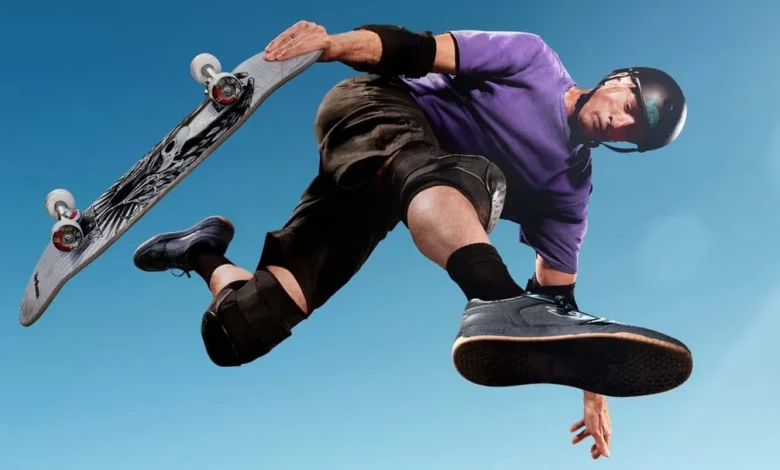
Few athletes have transformed their sport the way Tony hawk did for skateboarding. His name is synonymous with innovation, dedication, and the explosive rise of skate culture around the world. What began as a young boy’s passion for riding a skateboard eventually evolved into a global phenomenon that reshaped extreme sports.
For decades, skateboarding was often misunderstood or overlooked. It existed mostly in underground communities and urban environments where young people practiced tricks and developed their own style. Over time, however, the sport grew into an international movement. Much of that evolution can be traced back to the influence of one athlete whose creativity and persistence pushed skateboarding to new heights.


From groundbreaking tricks to video games and philanthropic efforts, his impact reaches far beyond the ramps and halfpipes where he built his career. Today, he is widely recognized not only as one of the greatest skateboarders of all time but also as a cultural icon who inspired generations to pick up a board.
Tony hawk and the rise of modern skateboarding
The story of Tony hawk begins in Southern California, a region that played a crucial role in the development of skateboarding culture. Born in 1968 in San Diego, he grew up during a time when the sport was evolving rapidly. Skate parks were appearing across the state, and young athletes were experimenting with new styles and techniques.
From an early age, he displayed remarkable determination and focus. Skateboarding quickly became more than just a hobby. It was an outlet for creativity and energy, and it allowed him to develop a unique identity.
Discovering skateboarding at a young age
Many legendary athletes discover their passion early in life, and this was certainly the case here. As a child, he showed strong energy and curiosity. Skateboarding offered a perfect balance of challenge and excitement.
His family noticed his dedication and supported his interest. With encouragement and access to skate parks, he began practicing constantly. Hours spent perfecting tricks allowed him to develop extraordinary control and precision on the board.
Before long, it became clear that he possessed a rare combination of athletic ability and creativity.
Entering professional competition
By the time he was a teenager, he had already gained recognition in competitive skateboarding circles. His technical skill and fearless approach quickly set him apart from other young riders.
Professional competitions during the 1980s became an important platform where new talent could showcase their abilities. Through these events, Tony hawk began establishing himself as one of the most promising skateboarders of his generation.
His performances combined technical mastery with an inventive style that audiences had rarely seen before.
Dominating the skateboarding scene
During the late 1980s and early 1990s, skateboarding experienced periods of both popularity and decline. Despite fluctuations in public interest, the sport continued evolving through the creativity of dedicated athletes.
Among them, Tony hawk emerged as a central figure who helped keep competitive skateboarding alive during challenging years.
Innovation on the vert ramp
Vert skating, which takes place on large halfpipes and vertical ramps, became his specialty. The discipline demands incredible balance, timing, and aerial control.
Over the years, he developed numerous new tricks that expanded what was considered possible in the sport. Each successful innovation pushed the boundaries of skateboarding technique.
His approach to practice was relentless. Attempting difficult tricks hundreds of times before landing them became part of his routine.
The historic 900
One of the most iconic moments in skateboarding history occurred during a major competition in the late 1990s. After years of attempts, he successfully landed a trick that involved two and a half rotations in midair.
The moment electrified the crowd and instantly became legendary within the skateboarding community.
Landing this move required extraordinary speed, balance, and courage. It symbolized the peak of vert skating achievement at the time.
Expanding skateboarding into mainstream culture
Athletic success alone does not always translate into cultural impact. Yet in this case, the influence of Tony hawk extended far beyond competitive events.
His presence helped introduce skateboarding to millions of people who had never previously paid attention to the sport.
Video games and global popularity
One of the most important milestones in skateboarding culture arrived through video games. A series of popular titles introduced players to the world of skate parks, tricks, and professional riders.
The games captured the excitement of skateboarding while making it accessible to a wide audience. For many young people, these games served as their first introduction to the sport.
The popularity of these titles helped skateboarding reach international markets and new generations of fans.
Media appearances and cultural influence
Beyond gaming, his appearances in television, films, and public events further increased the visibility of skateboarding.
Media exposure allowed the sport to evolve from a niche activity into a recognized global culture.
Skateboarding fashion, music, and lifestyle began influencing youth culture in many countries.
Life beyond competition
Professional athletes eventually reach a point where they step away from full-time competition. However, their influence often continues in different ways.
For Tony hawk, the transition from competitor to ambassador of skateboarding happened naturally.
Building a lasting legacy
Instead of retiring from public life, he focused on supporting the growth of skateboarding communities around the world.
He worked on projects that encouraged young people to stay active and pursue their interests. Skate parks were built in areas where access to sports facilities was limited.
These initiatives created safe environments where children could learn and develop confidence.
Supporting youth and communities
Programs connected to his foundation have helped fund numerous skate parks in cities that previously lacked recreational spaces.
Such projects not only promote physical activity but also create social connections. Skate parks often become gathering places where creativity and collaboration flourish.
These efforts demonstrate how a sports career can evolve into meaningful community work.
The continuing evolution of skateboarding
Skateboarding has changed dramatically since its early days. New styles, technologies, and competitions have emerged over time.
Athletes now perform tricks that once seemed impossible, pushing the sport into new territory.
Olympic recognition
One of the most significant milestones for skateboarding came when it was included in the Olympic Games. This moment represented international recognition of the sport’s athletic and cultural value.
For many long-time skateboarders, the Olympic debut symbolized how far the sport had come.
The presence of experienced figures such as Tony hawk helped inspire the athletes who eventually competed on the world stage.
Influence on future generations
Young skateboarders often cite pioneers as their inspiration. Watching legendary performances encourages them to experiment, practice, and innovate.
Every generation builds upon the achievements of the previous one.
In this way, the legacy of Tony hawk continues to shape the direction of modern skateboarding.
The philosophy behind skate culture
Skateboarding is more than a competitive sport. It represents creativity, freedom, and personal expression.
Creativity and individuality
Unlike many traditional sports, skateboarding encourages individual style. Two riders may perform the same trick in completely different ways.
This emphasis on creativity allows athletes to develop their own identity on the board.
The sport celebrates experimentation, resilience, and self-expression.
Persistence and resilience
Skateboarding also teaches persistence. Most tricks require countless attempts before they are mastered.
Falling is part of the process. Progress comes from learning, adjusting, and trying again.
This mindset reflects the journey experienced by Tony hawk throughout his career.
A cultural icon in sports history
Few athletes become cultural symbols within their field. Achieving such status requires more than skill. It demands innovation, influence, and lasting relevance.
Over the decades, Tony hawk has embodied these qualities.
His story represents the transformation of skateboarding from an underground hobby into a global sport embraced by millions.
Through competition, media, and community work, he helped shape the identity of skate culture.
Conclusion
The legacy of Tony hawk reaches far beyond the ramps where he first made his mark. His career reflects a powerful combination of talent, determination, and creativity.
From groundbreaking tricks to global cultural influence, his contributions reshaped the world of skateboarding. Generations of athletes continue to draw inspiration from his achievements and dedication.
Even as the sport continues to evolve, the impact of his work remains unmistakable. Skateboarding today stands as a worldwide movement built on freedom, innovation, and resilience.
The story of Tony hawk is ultimately a reminder that passion, persistence, and imagination can turn a personal hobby into a cultural revolution.