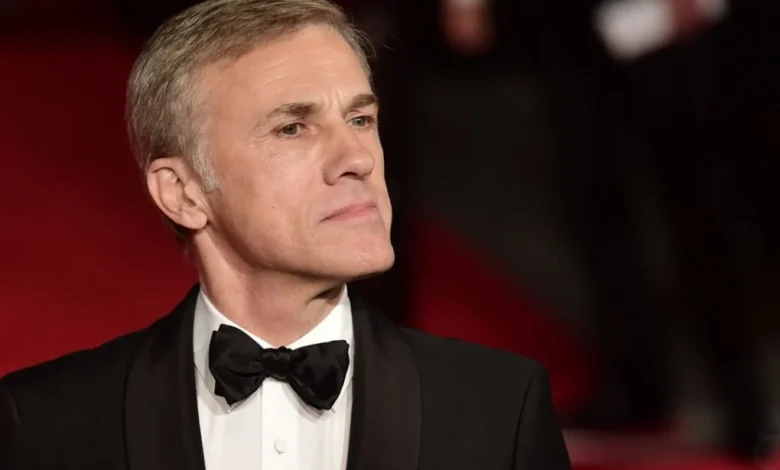
Few actors command attention the way Christoph Waltz does. His presence on screen feels controlled yet unpredictable, elegant yet unsettling. Audiences sense that every pause, every inflection, and every glance is deliberate. This distinctive quality did not emerge overnight. It is the result of decades of disciplined work, deep theatrical roots, and an unwavering commitment to craft over spectacle.
This article explores the path that shaped one of the most respected performers of modern cinema, tracing the journey from European stages to global recognition, while examining the values and discipline that define his work.


Early Life, Education, and Cultural Foundations
Born into a family deeply connected to the arts, acting was not an abstract idea but a lived reality from an early age. Theater, music, and literature were part of everyday conversation, shaping a natural respect for storytelling. Exposure to different cultural influences instilled a sense of curiosity and intellectual rigor that would later define his performances.
Formal training followed in respected European institutions, where classical theater traditions emphasized language, rhythm, and character analysis. This education fostered a belief that acting is not about self-expression alone, but about service to the text. Precision mattered. Preparation mattered. Ego did not.
Language as a Tool, Not an Ornament
Multilingualism became one of his most distinctive professional assets. Rather than treating language as a surface-level skill, he approached it as an emotional and psychological instrument. Subtle shifts in tone or phrasing carried meaning far beyond words themselves.
This sensitivity to language allowed him to portray characters who feel intellectually sharp and emotionally layered. Dialogue, in his hands, becomes a form of action rather than exposition.
Christoph Waltz and the Breakthrough Moment
For many years, his career unfolded steadily across European television and theater. He built a reputation as a reliable, intelligent performer, respected within professional circles but largely unknown to international audiences. That changed dramatically when a bold casting decision placed him at the center of a major film project.
The role demanded linguistic agility, emotional control, and the ability to convey menace without exaggeration. Christoph Waltz delivered a performance that redefined expectations, transforming a supporting role into the gravitational center of the story.
Sudden Fame, Steady Ground
International recognition arrived swiftly, but it did not alter his approach to the profession. Interviews reflected the same thoughtful restraint seen in his performances. He spoke about structure, discipline, and respect for the script, rarely about celebrity or success.
This grounded response to fame reinforced his image as an actor driven by craft rather than attention. It also set the tone for the career choices that followed.
Mastery of Complex Characters
What sets his work apart is not intensity alone, but control. His characters often inhabit moral gray zones, appearing charming while concealing darker intentions. This duality requires restraint, not excess.
Instead of signaling danger through volume or aggression, he allows tension to build through stillness. Silence becomes as expressive as speech. This approach invites the audience to lean in, creating engagement through unease rather than spectacle.
Intelligence as Dramatic Force
Many of his most memorable roles rely on intellect as a source of power. These characters dominate conversations, manipulate social dynamics, and expose vulnerabilities through words rather than violence.
This emphasis on mental dominance reflects a broader philosophy of acting. Conflict does not always need physical expression. Psychological pressure, when handled with precision, can be far more compelling.
Range Beyond the Archetype
While often associated with sophisticated antagonists, his body of work demonstrates impressive range. He has portrayed sympathetic figures, comedic roles, and morally conflicted protagonists with equal conviction. The common thread is commitment to internal logic.
Each character feels fully realized, guided by consistent motivation rather than external genre expectations. This versatility challenges the idea that he fits neatly into any single category.
Comedy with Restraint
His approach to humor mirrors his dramatic work. Timing, rhythm, and understatement drive the comedy rather than exaggerated expression. Laughter emerges naturally from character behavior instead of forced punchlines.
This refined comedic sensibility underscores a deep understanding of performance mechanics. Comedy, like drama, thrives on discipline.
Collaboration and Directorial Trust
Directors often speak of his reliability and preparation. Scripts are analyzed thoroughly, intentions clarified, and choices grounded in text. This professionalism fosters trust, allowing creative risks within a structured framework.
Working repeatedly with high-profile filmmakers reflects mutual respect rather than convenience. His performances elevate material without overshadowing the ensemble, reinforcing his reputation as a collaborative artist.
Christoph Waltz as a Modern Acting Reference
In discussions about contemporary acting, Christoph Waltz frequently serves as a reference point for precision and intelligence. Younger performers study his restraint, his use of language, and his refusal to rely on external tricks.
He represents an alternative model of success, one rooted in patience and mastery rather than constant visibility. This influence extends beyond specific performances into broader conversations about what sustained excellence looks like.
Discipline Over Myth
He often rejects romanticized notions of acting as emotional chaos. Instead, he frames it as a disciplined profession, requiring structure, clarity, and respect for craft. Emotion emerges from preparation, not spontaneity alone.
This philosophy resonates strongly in an industry often drawn to extremes. It offers a reminder that control can be as powerful as intensity.
Public Persona and Private Boundaries
Despite international acclaim, he maintains clear boundaries between public work and private life. Media appearances remain focused on professional topics, avoiding personal exposure. This separation preserves a sense of integrity and focus.
By limiting access, he ensures that attention remains on the work itself rather than on constructed narratives around fame. This choice aligns closely with his overall approach to the profession.
Longevity and Artistic Integrity
Sustaining a meaningful career over decades requires more than talent. It demands discernment. Project selection reflects careful consideration rather than trend-following. Roles are chosen for depth, challenge, and narrative value.
This long-term thinking has allowed his career to evolve without dilution. Each new project feels connected to an ongoing artistic conversation rather than a reaction to market demands.
Influence on International Cinema
His success challenged assumptions about language, accent, and global casting. It demonstrated that audiences respond to authenticity and intelligence, regardless of origin. This impact continues to shape casting decisions and storytelling approaches worldwide.
By embracing complexity rather than simplification, he expanded the space for nuanced performances in mainstream cinema.
The Lasting Appeal of Christoph Waltz
The enduring appeal of Christoph Waltz lies in his refusal to compromise fundamentals. He trusts preparation, respects language, and values subtlety. These principles create performances that reward attention and repeat viewing.
Rather than chasing novelty, he refines technique. Rather than amplifying emotion, he sharpens intention. This consistency builds trust with audiences and collaborators alike.
Conclusion
At the heart of his career is a quiet confidence grounded in craft. Christoph Waltz exemplifies an approach to acting that prioritizes intelligence, discipline, and respect for storytelling. His work reminds us that lasting impact rarely comes from excess, but from clarity and control.
As cinema continues to evolve, his performances stand as a benchmark for what thoughtful, precise acting can achieve. They invite viewers not just to watch, but to listen, observe, and reflect.