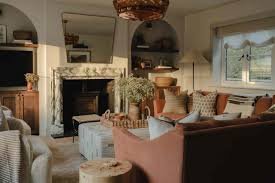
Homes have always been a canvas for personal expression, but 2026 feels different. There’s a strong pull towards the past. Not in a dated or kitschy way, but as a source of comfort, familiarity and creative inspiration. From fashion to film, music to interiors, nostalgia is everywhere. But how exactly is this sentiment filtering into home design, and why does it resonate so strongly right now?
What Nostalgia Means in Design
In interior design, nostalgia isn’t about recreating grandma’s house exactly as it was. It’s about capturing the feeling of fond memories through colour, texture, form and materials. Think patterned wallpapers reminiscent of childhood holidays, repurposed heirlooms sitting alongside cutting-edge tech, or classic furniture silhouettes in fresh finishes.


It’s retro without being stuck in the past, where a visual echo of a bygone era becomes a bold statement in modern life.
Why Nostalgia Is Trending in 2026
A combination of cultural and psychological forces has propelled nostalgia into the spotlight this year.
Global Uncertainty: With ongoing social and economic shifts, many are turning to familiar aesthetics as emotional anchors. Nostalgic design provides comfort and stability, making spaces feel reassuring and warm.
Digital Saturation: In an age dominated by screens and fleeting trends, there’s a desire for tangibility and authenticity. Interiors that feel rooted in history offer respite from fast-paced digital life.
Sustainability & Storytelling: The sustainability movement has encouraged reuse and repurposing, elevating vintage pieces and handcrafted objects that carry stories. This aligns perfectly with nostalgic sensibilities.
Cultural Remixing: Younger generations are rediscovering trends from the 70s, 80s and 90s and remixing them with contemporary flair, creating hybrid styles that feel both familiar and novel.
Nostalgic Design Elements That Are Making Waves
Retro Colour Palettes: Warm hues like mustard yellow, avocado green and burnt orange, iconic in mid-century spaces, have seen a resurgence. These tones are appearing on walls, in textiles and even in tiling. They evoke a sense of familiarity while still feeling vibrant and intentional.
Pattern Play: Intricate wallpapers and bold patterns are returning with confidence. Whether it’s geometric 70s motifs or florals that feel like they belong in a grandmother’s sitting room, pattern adds depth and personality. Carefully balanced with simpler furniture and flooring, these patterns feel curated rather than chaotic.
Curved Furniture Forms: Curvilinear shapes, think gentle arcs and rounded edges, draw inspiration from mid-century modern design. Sofas, chairs, and even shelving with soft contours soften spaces and subtly nod to classic silhouettes.
Heritage Materials and Finishes: Natural wood in rich tones, terrazzo surfaces and textured ceramics evoke craftsmanship and durability. Engineered wood and solid wood flooring with a classic plank look fuse old-world charm with modern performance, grounding spaces in warmth and legacy.
Eclectic Mix of Old and New: Combining vintage and contemporary pieces is a hallmark of nostalgic design. A refurbished 1950s sideboard might sit beside sleek, modern lighting. A traditional rug pairs with minimalist accessories. This blend reflects personal history and present tastes.
How to Bring Nostalgia Into Your Home
Start with the Floor: Flooring sets the tone for a room. Classic engineered wood floors in herringbone or wide plank layouts instantly add depth and character, acting as a timeless foundation for layered design. If budget or lifestyle demands something more resilient, wood-effect luxury vinyl tiles (LVT) can emulate this look while standing up to daily wear.
Curate, Don’t Clutter: Invest in a few meaningful nostalgic pieces, perhaps a retro armchair from a flea market or a restored ceramic lamp, and pair them with modern essentials. The goal is intentionality, not chaos.
Experiment With Colours and Textures: Introduce accent walls in heritage colours, or layer textured fabrics like boucle and velvet. These tactile elements invite touch and comfort, making spaces feel lived-in and personal.
Choose Patterns Thoughtfully: Let a patterned wallpaper be the focal point of a room, balanced by solid-coloured furniture and plainer flooring. This prevents overwhelm while still making a bold design statement.
Mix Eras With Confidence: Rather than strictly adhering to one decade, blend features you love from several eras. A mid-century coffee table can coexist with contemporary art and classic wall panelling, creating a nuanced and personalised space.
Is Nostalgic Design Worth It?
Nostalgic design isn’t just a fleeting fad; it’s a response to deeper emotional needs. It honours memories, champions sustainability through reuse, and encourages creativity in mixing old and new. For anyone craving a home that feels comforting yet stylish, a nostalgic design offers a rich palette to work with.
However, it’s important to be selective. Over-the-top retro can feel dated if not balanced with modern sensibilities. The secret lies in intentional curation: choosing elements that spark joy while maintaining cohesion.