Peter O’Toole – A Life Shaped by Risk, Talent, and Unforgettable Presence

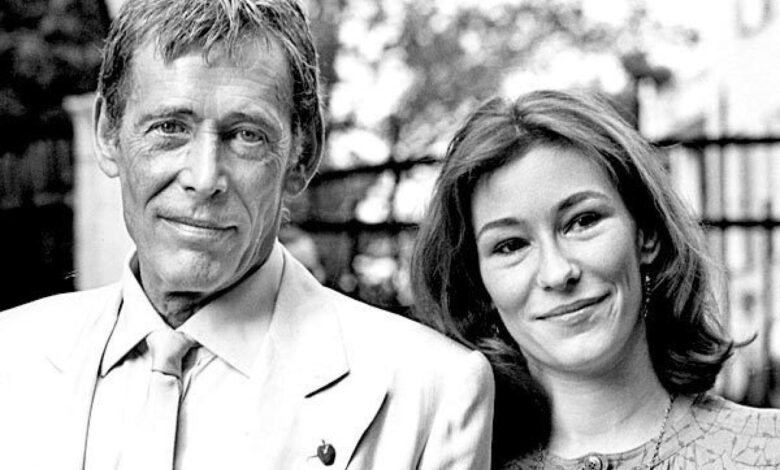
Some actors command attention through volume, others through stillness. What set Peter O’Toole apart was an intensity that felt both effortless and dangerous. He did not simply enter a scene; he unsettled it. His performances carried a sense of unpredictability, as if something might ignite or collapse at any moment. That quality made audiences lean forward, alert and engaged, never quite certain where the moment would lead.
Born into a world far removed from glamour, his journey toward international acclaim was anything but straightforward. Theatre shaped his discipline, while film amplified his charisma. Across decades, his work revealed a restless spirit that refused to settle into comfort. He pursued characters that tested limits, mirrored contradictions, and exposed vulnerability without apology. This commitment defined a career that remains deeply influential long after the curtain fell.


The Artistic Identity of Peter O’Toole
To understand his legacy, one must look beyond individual roles and examine the mindset behind them. Peter O’Toole approached acting as a craft demanding total immersion. He believed that comfort dulled truth and that risk sharpened it. This philosophy guided his choices, leading him toward complex figures rather than easy admiration.
His performances were often marked by emotional openness paired with technical precision. Voice, posture, and timing worked together to create characters that felt lived-in rather than performed. The result was an artistic identity rooted in honesty, even when that honesty was unsettling.
Early Training and Formative Years
Formal training played a crucial role in shaping his technique. Theatre education instilled discipline, respect for text, and a deep understanding of structure. Long rehearsals, vocal training, and classical material provided a foundation that later allowed him to bend rules with confidence.
These formative years also nurtured a love for language. Dialogue mattered deeply to him, not merely as information but as music. This sensitivity to rhythm and meaning would later become one of his defining strengths on screen.
The Actor’s Relationship with Risk
Risk was never an afterthought. It was central to the process. Characters were chosen not for safety but for challenge. Emotional exposure, moral ambiguity, and internal conflict were welcomed rather than avoided.
This approach sometimes puzzled critics but consistently rewarded audiences. Even when projects were uneven, his presence injected depth and urgency that elevated the material.
Breakthrough and Cinematic Impact
International recognition arrived through performances that redefined what leading roles could be. Peter O’Toole brought intellectual intensity and physical vulnerability to epic storytelling, reshaping audience expectations of heroism. His characters were not flawless icons but complicated individuals wrestling with identity, power, and consequence.
These roles demonstrated that scale did not require simplicity. Grand narratives could still explore fragile interiors, and spectacle could coexist with introspection.
Commanding the Screen
On screen, stillness became as powerful as movement. A pause, a glance, or a shift in tone carried meaning. Cameras seemed drawn to this control, capturing moments that felt both spontaneous and precise.
This command did not rely on dominance alone. Fragility played an equal role, creating a balance that made performances feel human rather than monumental.
Collaboration and Creative Trust
Directors often spoke of trust as a key ingredient. Collaboration thrived when creative freedom was respected. He welcomed guidance but resisted confinement, preferring exploration over rigid interpretation.
This dynamic resulted in performances shaped through dialogue rather than instruction, allowing characters to evolve organically.
Theatre as a Lifelong Anchor
Despite cinematic fame, the stage remained essential. Theatre offered immediacy, accountability, and renewal. Each performance existed only once, demanding full presence and attention.
For Peter O’Toole, theatre was not a fallback but a proving ground. It kept instincts sharp and ego in check, reinforcing the fundamentals of the craft.
Classical Roles and Reinvention
Classical texts were approached with curiosity rather than reverence. Instead of preserving tradition, he sought relevance. Characters were reimagined through contemporary emotional lenses, making old words feel urgent and alive.
This approach breathed new energy into familiar works, inviting audiences to reconsider their meanings.
The Audience as Partner
Live performance created a dialogue. Energy flowed between stage and seats, shaping rhythm and intensity. Each reaction influenced timing, each silence carried weight.
This partnership reinforced the belief that acting was not a display but an exchange.
Complexity of Persona and Public Image
Public perception often struggles with complexity. Peter O’Toole embodied contradictions that resisted simple narratives. Charismatic yet introspective, disciplined yet impulsive, he defied categorization.
Rather than correcting misconceptions, he allowed ambiguity to exist. This refusal to curate an image preserved authenticity, even when it invited misunderstanding.
Fame and Distance
Fame brought opportunity but also intrusion. He navigated this space cautiously, valuing privacy while acknowledging public interest. Interviews revealed wit and intelligence, but rarely complete access.
This selective openness protected the work from being overshadowed by persona.
Personal Challenges and Reflection
Life outside performance was not without struggle. Challenges were faced publicly at times, privately at others. What mattered most was the willingness to reflect, adapt, and continue.
This resilience added depth to later performances, enriching them with lived experience.
Later Career and Enduring Presence
As years progressed, roles shifted. Youthful intensity gave way to reflective authority. Peter O’Toole embraced this transition, finding power in restraint and nuance.
Later performances often carried a sense of farewell without sentimentality. They acknowledged time while affirming relevance.
Mentorship Through Example
Influence extended beyond screen and stage. Younger performers observed a model of dedication that valued substance over spectacle. Lessons were conveyed through work ethic rather than instruction.
This quiet mentorship continues to resonate within the acting community.
A Legacy of Courage
Legacy is measured not by awards alone but by impact. Characters linger because they asked questions rather than delivered answers. Courage defined both choices and execution.
That courage remains instructive, reminding artists that safety rarely leads to truth.
Conclusion
The career of Peter O’Toole stands as a testament to artistic bravery. Through risk, discipline, and emotional honesty, he crafted performances that continue to challenge and inspire. His work invites audiences to look closer, listen deeper, and accept complexity without resolution. In doing so, it affirms that true artistry is not about comfort or control, but about the willingness to be fully present in the moment and leave something real behind.